
Tips for Choosing Comfortable Home Lighting That Enhances Your Space
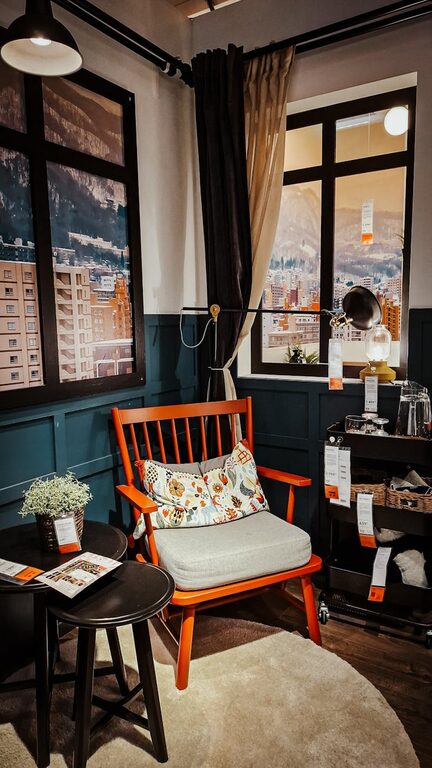
Creating a comfortable living environment goes beyond furniture and colors—it also depends heavily on the lighting you choose. Good lighting can improve mood, enhance functionality, and add style to your home. However, selecting the right lighting can be tricky. With so many types, styles, and bulbs available, how do you find the most comfortable lighting for your space?
In this post, we’ll share practical tips to help you choose home lighting that is comfortable, functional, and visually appealing.
Why Comfortable Lighting Matters
Before exploring tips, it’s important to understand why comfortable lighting is essential:
– Improves Mood: Soft, warm lighting creates a relaxing atmosphere, while bright, natural light can energize you.
– Supports Tasks: Proper lighting reduces eye strain during reading, cooking, or working.
– Enhances Decor: Lighting highlights your interior features and creates inviting spaces.
– Saves Energy: The right bulbs and fixtures can reduce energy consumption and costs.
With that in mind, let’s dive into how you can select lighting that checks all these boxes.
1. Consider the Function of Each Room
Different rooms have different lighting needs. Start by thinking about how you use each room:
– Living Room: Needs a balance of ambient light for general use and task lighting for reading or hobbies.
– Kitchen: Requires bright, focused lighting on work surfaces to aid cooking and cleaning.
– Bedroom: Prefers soft, warm lighting to promote relaxation and prepare for sleep.
– Bathroom: Needs clear, bright lighting, especially around mirrors, but avoid harsh glare.
– Home Office: Requires bright, even lighting that reduces shadows and eye strain.
Understanding these needs helps in selecting appropriate lighting fixtures and brightness levels.
2. Choose the Right Light Bulbs
The type of bulb you pick greatly influences comfort. Here’s what to consider:
Light Color Temperature
Measured in Kelvins (K), color temperature affects ambiance:
– Warm Light (2700K–3000K): Cozy, yellowish light ideal for bedrooms and living rooms.
– Neutral White (3500K–4100K): Balanced tone, great for kitchens and workspaces.
– Cool White/Daylight (5000K–6500K): Bright, bluish light good for detailed tasks but can feel harsh for relaxing areas.
Brightness (Lumens)
Lumens indicate brightness, not watts:
– Low Lumens (200–400): Suitable for mood lighting or small spaces.
– Medium Lumens (400–800): Good for ambient lighting.
– High Lumens (800+): Needed for task lighting in kitchens or offices.
Energy Efficiency
LED bulbs are preferred for their long life and energy savings. They also come in a variety of color temperatures and dimmable options.
3. Utilize Layered Lighting
Combining different types of lighting in a room creates balance and flexibility.
– Ambient Lighting: The main source, usually ceiling-mounted lights or large fixtures.
– Task Lighting: Focused lighting for activities, such as desk lamps or under-cabinet kitchen lights.
– Accent Lighting: Highlights features like artwork or architectural details with spotlights or wall sconces.
Layered lighting allows you to adjust ambiance and comfort based on activities and mood.
4. Install Dimmer Switches
Dimmer switches give you control over the brightness, making it easier to adapt lighting throughout the day and for different purposes. With a dimmer, you can reduce light intensity for a cozy evening or brighten it for cleaning or parties.
Make sure your bulbs are compatible with dimmers to avoid flickering.
5. Consider Natural Light Integration
Maximizing natural light helps create a comfortable space and reduces the need for artificial lighting during the day.
– Use sheer curtains or blinds that can be adjusted to control the amount of sunlight.
– Arrange furniture to make the most of daylight, especially near windows.
– Choose light colors for walls and ceilings to reflect natural light better.
Combining natural and artificial light improves comfort and can make your room feel more spacious.
6. Pay Attention to Fixture Style and Placement
Choosing the right fixtures is both a functional and decorative decision.
– Size and Scale: Ensure fixtures are proportionate to room size and ceiling height.
– Light Direction: Fixtures that direct light downward are good for task lighting; those that spread light broadly suit ambient needs.
– Glare Prevention: Use lampshades, frosted bulbs, or diffusers to soften harsh light and reduce glare.
Proper placement avoids shadows and dark spots, improving comfort.
7. Choose Lighting Controls for Convenience
Modern lighting controls make managing your home’s lighting comfortable and easy:
– Smart Lighting: Use apps or voice control to adjust brightness or color temperature.
– Timers and Sensors: Automatically turn lights on and off to save energy and add convenience.
– Multiple Switches: Control the same light from different locations for ease of use.
8. Test Before You Commit
If possible, test bulbs and fixtures in your space before purchasing in bulk. Many home improvement stores offer sample bulbs to try at home. Observing the lighting at different times and in different conditions helps ensure comfort.
Conclusion
Choosing comfortable home lighting is about balancing function, ambiance, and style. By considering room purpose, bulb type, layering lights, controlling brightness, and integrating natural light, you can create a home environment that feels cozy, inviting, and well-lit.
Lighting is a powerful tool for improving your daily life. Taking the time to select thoughtfully will reward you with spaces that not only look great but feel just right.
Happy lighting!