
Tips for Choosing Comfortable Home Lighting That Enhances Any Space
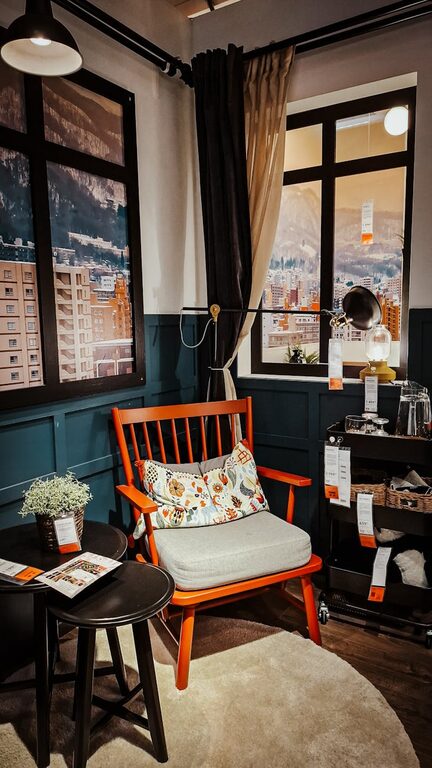
Creating a cozy and inviting home starts with thoughtful lighting choices. The right lighting doesn’t just illuminate a room; it sets the mood, enhances comfort, and complements your interior style. Finding comfortable home lighting can transform everyday living spaces into relaxing retreats.
In this post, we’ll explore practical tips to help you choose home lighting that suits your needs and preferences while ensuring comfort and functionality.
Why Comfortable Lighting Matters
Lighting affects the way we feel in a space. Harsh, overly bright lights can cause eye strain and discomfort, while dim or poorly distributed lighting may make a room feel gloomy or unsafe. Comfortable lighting balances brightness, warmth, and placement to provide visual comfort and improve the overall ambiance.
Understand Different Types of Lighting
Home lighting typically consists of three layers: ambient, task, and accent lighting. Combining these effectively creates a balanced and comfortable environment.
Ambient Lighting
This is the main source of light in a room, usually provided by ceiling fixtures, chandeliers, or recessed lights. Ambient lighting ensures general visibility and sets the overall tone.
Task Lighting
Focused lighting designed for specific activities such as reading, cooking, or working. Examples include desk lamps, under-cabinet lighting in kitchens, and vanity lights in bathrooms.
Accent Lighting
Used to highlight architectural features, artwork, or plants. Accent lighting creates depth and interest by adding dimension to the room.
Tips for Choosing Comfortable Lighting
1. Consider the Lighting Color Temperature
Color temperature is measured in Kelvins (K) and greatly influences comfort. For home comfort:
– Warm white light (2700K–3000K) creates a cozy and relaxing atmosphere, ideal for living rooms and bedrooms.
– Neutral white (3500K–4100K) is good for kitchens, bathrooms, or work areas to maintain clarity without harshness.
– Avoid cool white or daylight bulbs (5000K+) in living spaces as they can feel too intense or clinical.
2. Choose Dimmable Options
Dimmers give you control over light levels, helping you adjust brightness according to mood or time of day. For example, bright light during a morning workout and soft light for evening relaxation. Make sure the bulbs and fixtures you choose are compatible with dimmer switches.
3. Pay Attention to Bulb Types
Different bulbs have varied qualities:
– LED bulbs are energy-efficient, long-lasting, and available in a range of color temperatures.
– Incandescent bulbs produce warm light but are less efficient and have shorter lifespans.
– CFLs are energy-efficient but may have slow warm-up times and contain mercury.
LEDs generally provide the best mix of comfort and efficiency.
4. Layer Your Lighting
Use a combination of ambient, task, and accent lights to create visual interest and tailored comfort. For example, in a living room, combine a ceiling light (ambient), floor lamps by seating areas (task), and wall sconces or track lights to highlight artwork (accent).
5. Optimize Fixture Placement
Position lights thoughtfully:
– Avoid direct glare by angling fixtures away from eyes.
– Use lampshades or diffusers to soften light.
– In task areas, place lights close to the work zone without casting shadows.
6. Consider Natural Light
Make the most of daylight by using sheer curtains or blinds that allow light in while reducing glare. Natural light is easier on the eyes and lifts mood, so design your lighting plan to complement window positioning.
7. Match Lighting to Room Function
Each room has unique lighting needs:
– Living rooms benefit from warm ambient light and adjustable task lighting for reading or hobbies.
– Kitchens require bright, shadow-free task lighting.
– Bedrooms should promote relaxation with soft, warm light and dimmers.
– Bathrooms often combine bright lights around mirrors with softer ambient lighting.
8. Select Fixtures That Fit Your Style and Scale
Choose fixtures that match your home décor and are proportionate to the room’s size. Oversized lights can overwhelm small spaces, while tiny bulbs may lack impact in larger rooms.
Additional Considerations for Comfortable Home Lighting
Use Smart Lighting Solutions
Smart LED bulbs allow customizable color temperature and brightness via smartphone apps or voice controls. This flexibility supports comfort by adapting lighting automatically based on time or activities.
Maintain Proper Light Levels
Lighting recommendations vary by room size and activity, but a general guide is:
– Living rooms: 10-20 lumens per square foot
– Kitchens and workspaces: 70-80 lumens per square foot
– Bedrooms: 10-30 lumens per square foot
Checking lumens rather than wattage helps you pick bulbs that provide appropriate brightness.
Avoid Flicker and Harsh Shadows
Poor-quality bulbs or fixtures can produce flicker and uneven lighting, which tires the eyes. Invest in high-quality lighting products with consistent output for a comfortable experience.
—
Final Thoughts
Choosing comfortable home lighting is about more than just lighting up a room. It’s about creating an atmosphere that supports your wellbeing and lifestyle. By considering color temperature, layering types of light, using dimmers, and selecting appropriate fixtures, you can develop a tailored lighting plan that enhances all your living spaces.
Experiment with different lighting arrangements to find what feels best for you. Comfortable lighting transforms your home into a welcoming haven where you can relax, work, and enjoy time with family effortlessly.