
Easy Tips for Keeping Kids’ Art Organized at Home
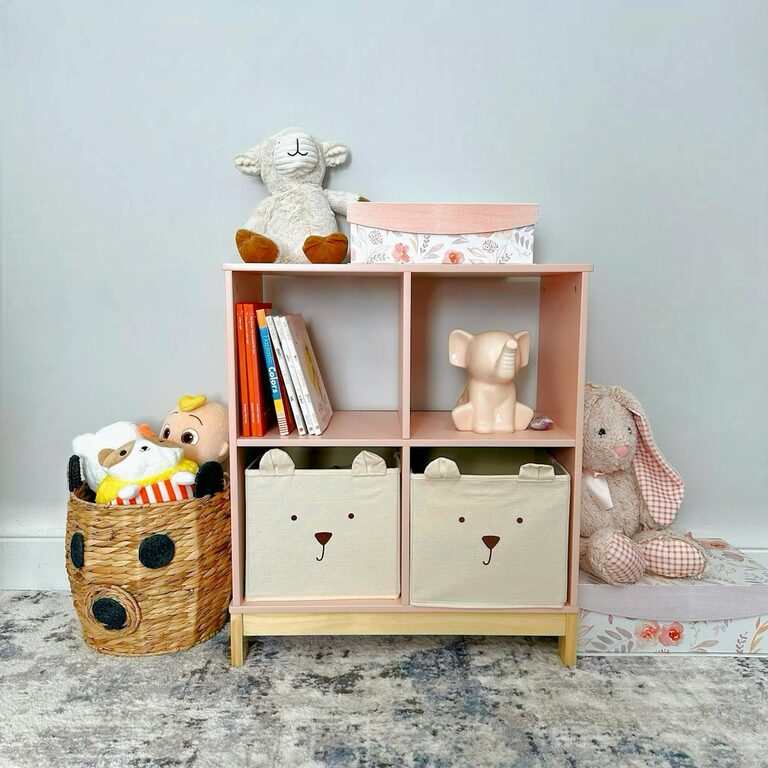
Keeping your children’s artwork organized can be both a joyful and challenging task. Kids love to create, and as their collection of drawings, paintings, and crafts grows, so can the mess. Finding a system that works for your family helps celebrate their creativity while keeping your home neat. This post shares practical, easy-to-follow tips to manage and organize kids’ art effectively.
Why Organizing Kids’ Art Matters
Children’s artwork is a wonderful way to track their creativity and milestones. However, piles of paper and craft projects can quickly take over your home, making it harder to enjoy those special pieces. Organizing art supplies and finished art encourages kids to take pride in their work and teaches them valuable organizational skills.
Start with a Dedicated Art Space
Set Up an Art Station
Having a specific area for creating and storing art materials reduces clutter and keeps things accessible. Choose a corner of a room, a small table, or a designated shelf where kids can work comfortably.
What to include:
– Containers for crayons, markers, and brushes
– A storage box for papers and coloring books
– A corkboard or wall space to display current projects
Use Storage Bins and Labels
Clear bins or labeled folders make it easy to separate different types of supplies and finished art. Involve your kids by letting them choose labels or decorate their storage containers — this encourages responsibility and organization skills.
Create an Art Filing System
Sort Art by Date or Theme
Decide how you want to categorize artwork — by date, theme, school year, or child. This step helps later when looking back on specific projects.
Use Portable File Boxes or Binders
– File Boxes: Store artwork flat in large folders inside a portable file box. Label each folder clearly.
– Binders: Use plastic sleeves in binders for smaller artworks or drawings. This keeps pieces neat and easy to flip through.
Digital Archiving for Long-Term Storage
If you’re short on space or want to save every piece, consider digitizing art:
– Photograph or scan each piece.
– Store images on a computer, external drive, or cloud service.
– Apps designed for organizing kids’ art can help create digital albums or photo books.
Display Artwork Proudly
Use Rotating Displays
Rotating artwork on fridge magnets, bulletin boards, or string and clips creates an ever-changing gallery that celebrates your child’s work without overwhelming your space.
DIY Art Frames and Galleries
Create simple frames or use clipboards on walls to showcase featured pieces. Changing the art regularly keeps the display fresh and exciting.
Repurpose Art into Gifts or Keepsakes
Creative uses for kids’ art reduce accumulation while preserving memories:
– Turn drawings into greeting cards for family and friends.
– Use artwork as wrapping paper.
– Make photo books or calendars with digitized art for keepsakes.
– Laminate drawings to create placemats or bookmarks.
Regularly Edit the Collection
Set a schedule with your kids to review their artwork together. Decide which pieces to keep, digitize, or recycle. This encourages decision-making and prevents overwhelming piles.
Tips for Maintaining the System
– Encourage daily or weekly clean-up routines at the art station.
– Make organizing art a fun activity by involving your kids.
– Use clear and consistent labeling for easy retrieval.
– Store supplies and displayed art at accessible heights for children.
Final Thoughts
Organizing your children’s artwork doesn’t mean you have to throw away precious memories. With some thoughtful planning and creative solutions, you can manage their art clutter while celebrating creativity. A well-organized system benefits both kids and parents, making it easier to cherish those special creations for years to come.
Try a few of these tips and find the approach that works best for your family — your kids’ artwork deserves to be enjoyed and preserved thoughtfully!