
Small Changes for a Calmer Evening Routine
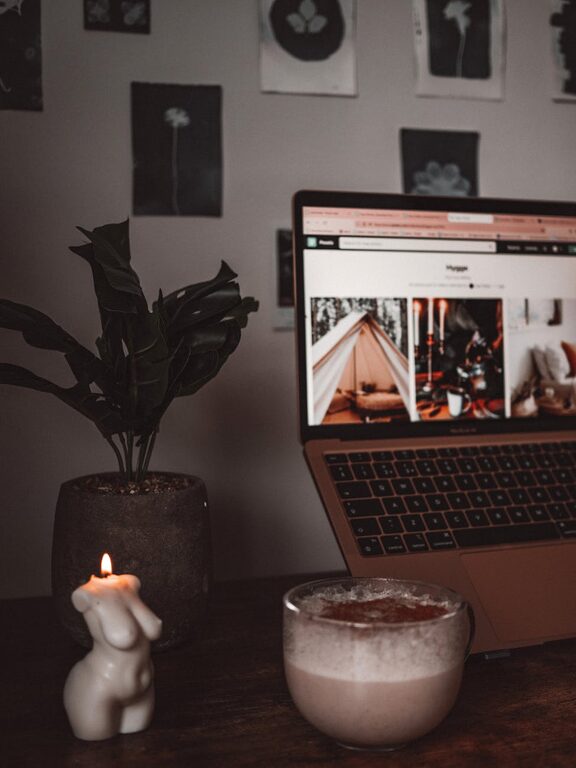
Having a calm and peaceful evening routine can make a significant difference in your overall well-being. After a busy day filled with work, errands, and responsibilities, creating moments of calm helps ease the transition toward bedtime. Small, intentional changes can transform your evenings from rushed and stressful to tranquil and restorative.
In this post, we’ll explore practical tips to build a calmer evening routine that fits into any lifestyle.
Why a Calmer Evening Routine Matters
Evening routines set the tone for how well you rest at night and how refreshed you feel the next day. Stress and stimulation right before bed can interfere with your ability to fall asleep and stay asleep. By introducing calm activities, you support your body’s natural wind-down process and improve sleep quality.
Simple Ways to Create a Calmer Evening
1. Set a Consistent Bedtime
Going to bed and waking up at the same time every day helps regulate your internal clock. This consistency can improve sleep quality and make waking up easier.
How to start:
– Choose a realistic bedtime that allows 7–9 hours of sleep.
– Set reminders 30 minutes before bedtime to begin your wind-down.
– Avoid staying up late on weekends to keep your schedule steady.
2. Dim the Lights
Bright lighting signals your brain to stay alert. Dimming lights in the evening supports relaxation and signals it’s time to slow down.
Tips:
– Use soft white or warm-toned bulbs in the evening.
– Consider installing dimmer switches or using lamps instead of overhead lighting.
– Limit screen brightness or switch devices to night mode to reduce blue light exposure.
3. Limit Screen Time Before Bed
Phones, tablets, and computers emit blue light that may disrupt melatonin production, a hormone essential for sleep.
Suggestions:
– Aim to stop using electronic devices at least 30 minutes to 1 hour before bedtime.
– Swap screen time for calming activities such as reading a book or listening to gentle music.
– If you must use devices, utilize blue light filters or wear blue light blocking glasses.
4. Practice Relaxation Techniques
Find simple ways to relax your mind and body before sleep. These can reduce anxiety and prepare you for restful rest.
Relaxation practices include:
– Deep breathing exercises to slow your heart rate.
– Gentle yoga or stretching to release tension.
– Meditation or mindfulness practices to quiet distracting thoughts.
5. Create a Soothing Environment
Your bedroom atmosphere plays a big role in how easily you fall asleep.
Consider these changes:
– Keep your room cool, generally between 60–67°F (15–19°C).
– Use blackout curtains or a sleep mask to block outside light.
– Minimize noise with earplugs, white noise machines, or calming sounds like rainfall.
6. Establish a Calming Activity
Incorporating a relaxing activity into your routine signals to your body that it’s time to unwind.
Ideas for calming activities:
– Reading a physical book or magazine.
– Journaling to reflect on your day or write down things you’re grateful for.
– Enjoying a warm, non-caffeinated beverage such as herbal tea.
7. Avoid Heavy Meals and Caffeine Late in the Day
Large meals or caffeine too close to bedtime can disrupt your digestion and keep you awake.
Recommended:
– Eat dinner at least 2–3 hours before bed.
– Limit caffeine intake after mid-afternoon.
– Opt for light snacks if hungry late in the evening.
Sample Calmer Evening Routine
Here’s an example routine that combines several of the tips above:
– 7:00 PM: Eat a light dinner.
– 8:00 PM: Dim lights and put away screens.
– 8:30 PM: Enjoy a cup of herbal tea and read a book.
– 9:00 PM: Practice 10 minutes of gentle yoga or deep breathing.
– 9:15 PM: Journal briefly about your day and things you’re thankful for.
– 9:30 PM: Prepare your bedroom by cooling the room, closing blackout curtains, and playing soft white noise.
– 10:00 PM: Get into bed and practice mindfulness or listen to calming music as you fall asleep.
Tips for Sticking to Your New Evening Routine
– Start small: Introduce one or two changes at a time to avoid feeling overwhelmed.
– Be consistent: The benefits grow stronger with daily practice.
– Adjust as needed: Customize your routine based on what feels most calming to you.
– Create reminders: Use alarms or notes to help make your routine a habit.
– Be patient: It may take a few weeks to notice improvements in sleep and relaxation.
Final Thoughts
A calmer evening routine doesn’t have to be complicated or time-consuming. By making small, simple adjustments to your habits and environment, you can enjoy more peaceful evenings and better sleep. Experiment with these suggestions and find the combination that works best for you.
Remember, taking time to care for yourself at the end of the day is important for your overall health—one calm evening at a time.